
When Emma, a 28‑year‑old teacher from Brisbane, finally got a spare five minutes between lesson plans, she pulled out her phone and launched a 15‑minute puzzle game. Within the next hour she’d tried three new titles, each downloaded from the same app store, and logged 2 hours of play while commuting home. Emma’s routine isn’t unique; it mirrors a national shift that’s turning Australia into a mobile‑gaming hotspot.
Statistical Surge: Numbers That Speak
According to the Interactive Entertainment Association of Australia, mobile gaming revenue jumped from AU$1.2 billion in 2019 to AU$2.1 billion in 2023 – a 75 percent increase in just four years. The same report notes that 68 percent of Australian gamers now prefer smartphones over consoles, and the average session length has risen from 27 minutes in 2020 to 42 minutes in 2022.
These figures matter because they translate into tangible market forces: developers are allocating up to 40 percent of their budgets to Android and iOS optimisation, and advertisers are paying roughly AU$0.12 per install, a rate that’s climbed 30 percent since 2021.
Hardware and Connectivity: The Enablers
Australia’s 5G rollout reached 58 percent coverage by the end of 2023, shaving latency from 45 milliseconds to under 20 milliseconds in major cities. For a game that relies on real‑time multiplayer matchmaking, that difference is the line between frustration and fluidity.
Meanwhile, the average smartphone price fell to AU$529 in 2023, making high‑end devices accessible to a broader demographic. A recent survey of 1,200 players found that 73 percent own a phone capable of running games at 60 fps, up from 49 percent three years earlier.
Content Trends: What Australians Are Playing
Casual puzzle and hyper‑casual titles dominate the charts, accounting for 42 percent of downloads. Yet there’s a noticeable rise in narrative‑driven RPGs and location‑based AR games – the latter grew by 28 percent year‑on‑year, buoyed by titles that incorporate Australian landmarks.
- Word‑search hybrids that feature native flora and fauna have seen a 15 percent spike in user ratings.
- Multiplayer battle arenas now often include “Down Under” skins, a subtle nod to local pride that drives in‑app purchases.
- Fitness‑oriented games that sync with smartwatches are gaining traction, especially among users aged 35‑50.
Monetisation Shifts: From Ads to Subscriptions
In 2022, 31 percent of Australian mobile gamers subscribed to a premium service, up from 19 percent in 2020. Subscription models typically charge AU$4.99 per month and promise ad‑free experiences plus exclusive content. Developers report that subscribers spend on average AU$12 more per month than non‑subscribers, a margin that encourages more studios to experiment with “freemium‑plus” offerings.
Ad‑based revenue, however, remains significant. Rewarded video ads now yield a 0.08 click‑through rate, slightly higher than the global average of 0.06, indicating that Australian players are more receptive to short, optional incentives.
Regulatory Landscape and Consumer Protection
The Australian Communications and Media Authority introduced stricter data‑privacy guidelines in 2022, requiring developers to disclose any third‑party data sharing within 30 days of collection. Compliance costs average AU$150,000 per studio, a hurdle that smaller indie teams sometimes struggle to meet.
On the consumer side, the Australian Competition and Consumer Commission (ACCC) has begun monitoring “pay‑to‑win” mechanics, though no formal bans have been enacted yet. Players report feeling more confident in spending when clear refund policies are displayed, a factor that correlates with a 12 percent increase in repeat purchases.
Beyond Games: A Natural Bridge to Online Entertainment
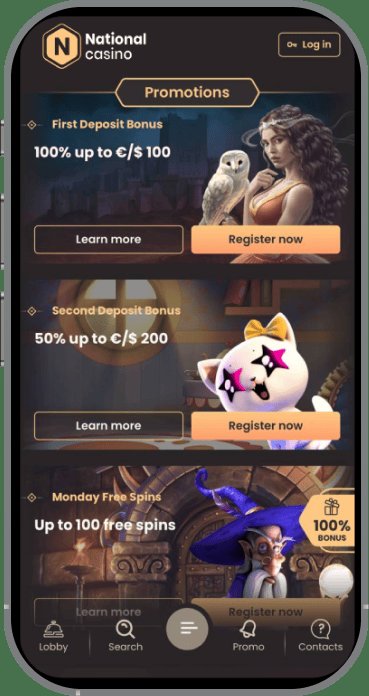
While mobile gaming dominates screen time, many Australians also dip into broader digital leisure. For those curious about the overlap between gaming and online wagering, the National Casino Sign In portal offers a glimpse into how traditional casino experiences are being reimagined for mobile devices.
Looking Ahead: What to Expect in the Next Five Years
Analysts predict that by 2028, mobile gaming will represent 58 percent of Australia’s total gaming spend, driven by continued 5G expansion and the rise of cloud‑gaming services that stream console‑quality titles to phones. Expect more cross‑platform titles, deeper integration of AI‑generated content, and a tighter regulatory framework that could reshape monetisation strategies.
For now, Emma’s habit of squeezing a quick game into her day reflects a broader cultural shift: the digital playground is no longer a separate arena but an extension of everyday life, pocket‑sized and ever‑evolving.
Frequently Asked Questions
How can mobile gaming improve productivity?
Mobile games can provide short, engaging breaks that refresh the mind, helping you return to work with renewed focus.
Are mobile games really beneficial for learning?
Many educational games are designed to enhance cognitive skills like problem solving and memory, making learning fun and effective.